
Hi, I'm Oliver Garrett. I live in Denver. Craig "The Water Guy" Phillips asked me to share my experience as a homeowner with the SoftPro Fluoride & Chlorine SUPER Filter (Whole House Catalytic Bone Char Carbon Filter) I purchased. This is how my adventures played out. I hope this helps you in your decision.
Did you know that the average American household consumes over 300 gallons of water daily, yet most of us have no idea what's actually flowing through our pipes?
I certainly didn't until last year when I started noticing a persistent chlorine smell in our shower water and began questioning what else might be lurking in our municipal supply.
After eight months of daily use with SoftPro's Fluoride & Chlorine SUPER Filter, I can confidently say this investment has transformed our household water quality in ways I never expected.
The upflow catalytic design combined with bone char carbon filtration has eliminated not just the obvious chlorine odor, but also fluoride and numerous other contaminants I wasn't even aware we had. What started as a simple desire for better-tasting water evolved into a comprehensive solution that's improved everything from our morning coffee to our skin health.
This isn't just another product review – it's a detailed account of real-world performance, unexpected challenges, ongoing costs, and the genuine impact this filtration system has had on our daily lives. I'll share the honest truth about installation headaches, maintenance realities, and whether the substantial upfront investment truly pays off over time.
The Water Quality Wake-Up Call That Started Everything
Living in Denver, I'd always assumed our municipal water was reasonably good. The city's water quality reports seemed acceptable, and we never experienced any obvious issues like discoloration or strange tastes. That complacency ended abruptly during a particularly hot August when our home's chlorine smell became impossible to ignore.
The first real alarm bell rang when my wife mentioned that her skin felt increasingly dry and itchy after showers, despite using the same moisturizing products she'd used for years. Initially, we blamed Colorado's notorious dry climate, but the timing coincided with what we later learned was the city's seasonal increase in chlorine disinfection levels.
Curiosity led me down a research rabbit hole about municipal water treatment processes. I discovered that our "clean" tap water contained not only chlorine but also chloramines, fluoride, and trace amounts of pharmaceutical residues that standard municipal treatment doesn't address. The EPA allows up to 4 parts per million of chlorine in drinking water – a level that, while considered safe for consumption, can still cause skin irritation and create that unmistakable swimming pool aroma in our home.
Testing our incoming water revealed 2.8 PPM of total chlorine, 0.7 PPM of fluoride, and a concerning level of chloroform – a disinfection byproduct formed when chlorine reacts with organic matter in the water supply. These weren't dangerous levels by regulatory standards, but they explained the symptoms my family was experiencing.
The financial implications became clear when I calculated our monthly spending on bottled water – nearly $80 per month for a family of four who'd gradually stopped drinking tap water due to taste concerns. Add the cost of specialized soaps and lotions we'd been buying to combat skin dryness, and we were already investing over $1,200 annually in band-aid solutions rather than addressing the root cause.
My initial attempts at improvement were frustratingly inadequate. A basic carbon pitcher filter helped with taste but didn't address the shower water issues. A simple showerhead filter reduced chlorine slightly but had no impact on fluoride or other dissolved contaminants. These partial solutions made me realize I needed a comprehensive, whole-house approach that could handle multiple contaminant types simultaneously.
Researching the Perfect Filtration Solution
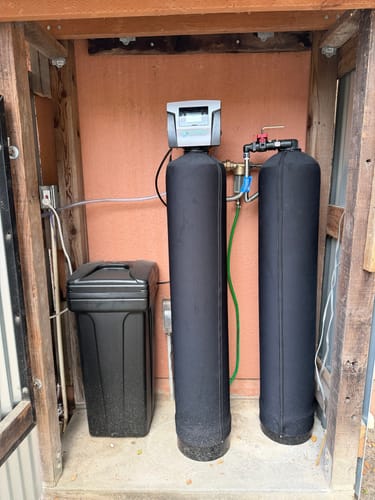
Entering the world of whole-house water filtration felt overwhelming initially. The market offers dozens of technologies, each claiming superiority for different contaminant types. My engineering background helped me cut through marketing language to focus on actual filtration mechanisms and their specific applications.
I spent weeks comparing activated carbon systems, reverse osmosis setups, UV sterilization, and catalytic media options. Each technology excelled in certain areas while having significant limitations in others. Standard activated carbon effectively removes chlorine and improves taste but struggles with fluoride and heavy metals. Reverse osmosis handles nearly everything but wastes substantial water and requires complex maintenance.
The breakthrough came when I discovered catalytic carbon filtration combined with bone char media. Unlike regular activated carbon, catalytic carbon uses enhanced surface chemistry to break down chloramines – something standard carbon can't accomplish effectively. The catalytic process actually destroys contaminants rather than just trapping them, preventing the bacterial growth that can occur in traditional carbon beds.
Bone char carbon fascinated me from a scientific perspective. This specialized media, created from animal bones heated in oxygen-free environments, develops a unique crystalline structure that attracts fluoride ions through specific chemical bonding. While controversial for some users due to its animal-derived nature, bone char remains the most effective natural fluoride removal method available.
SoftPro's system design addressed several concerns I'd identified in competitor products. The upflow configuration ensures even media contact and prevents channeling – a common problem where water finds the path of least resistance and bypasses filtration media. The large tank diameter allows for slower contact time, improving contaminant removal efficiency compared to smaller, faster-flow systems.
Certification standards played a crucial role in my decision. The system carries NSF/ANSI 42 certification for chlorine reduction and NSF/ANSI 61 certification for materials safety. While not every contaminant has specific NSF testing protocols, these certifications provided confidence that the system meets rigorous performance and safety standards where testing exists.
The sizing calculations convinced me this system could handle our household's peak demand. With a 15 GPM service flow rate and our measured 12 GPM maximum simultaneous usage, we'd maintain adequate pressure even during heavy-use periods like morning routines when multiple fixtures operate simultaneously.
Unboxing and First Impressions
The system arrived via freight delivery in early September, packaged more carefully than I expected. The main tank, shipped separately from accessories, came wrapped in heavy-duty plastic and secured to a wooden pallet. At first glance, the 10-inch diameter fiberglass tank looked smaller than anticipated, but lifting it reminded me why proper installation location planning was essential – even empty, the unit had substantial weight.
Build quality impressed me immediately. The fiberglass construction felt robust without being unnecessarily thick, and the smooth interior finish suggested careful manufacturing attention to prevent media degradation. The Pentair Fleck 5600SXT control valve mounted on top looked professional-grade, with clearly marked connections and a digital display that appeared intuitive to program.
Component completeness exceeded expectations. Along with the main tank and control head, the shipment included bypass valve assembly, installation hardware, detailed programming instructions, and even pipe thread sealant. The inclusion of a water testing kit for verifying installation success was a thoughtful touch that many competitors omit.
The bone char and catalytic carbon media arrived in separate sealed bags, each labeled with specific handling instructions. The bone char had a distinctive appearance – darker and more angular than standard activated carbon, with visible crystalline structures that explained its fluoride-binding capabilities. The catalytic carbon looked similar to regular activated carbon but felt slightly heavier, indicating the metallic enhancement that enables chloramine destruction.
Documentation quality stood out as exceptional. Rather than generic installation guides, SoftPro provided system-specific instructions with actual photos and detailed troubleshooting sections. The programming manual included step-by-step screenshots of the control valve display, eliminating guesswork during setup.
My only initial concern involved the bypass valve assembly, which required more precise measurement and cutting than I'd anticipated. The supplied instructions emphasized the importance of proper bypass installation for future maintenance access, but achieving the exact measurements required patience and careful planning.
Installation Journey and Setup Experience

I scheduled installation for a Saturday morning, allocating the entire day based on online forums suggesting 4-6 hours for DIY installation. My preparation included shutting off the main water supply, draining the household plumbing system, and gathering tools: pipe cutter, torch for soldering, thread sealant, and measuring equipment.
The installation location required careful consideration. SoftPro's specifications called for level ground, adequate drainage access, and electrical supply within six feet. I chose a spot in our utility room near the water heater, providing easy access to the main line while maintaining clearance for future media replacement.
Plumbing integration proved more complex than anticipated. The bypass valve assembly needed precise positioning to ensure proper flow direction and maintenance accessibility. I made the mistake initially of installing it too close to the wall, requiring repositioning when I realized media replacement would be impossible without adequate working space.
The control valve programming took longer than expected, not due to complexity but because I wanted to understand each parameter rather than simply following default settings. The Fleck 5600SXT offers extensive customization: backwash frequency, flow rate limits, regeneration timing, and various safety features. I spent considerable time in the manual understanding how these settings interact and affect overall system performance.
Initial media loading required patience and attention to layering instructions. The bone char goes in first, followed by the catalytic carbon, with specific techniques for preventing media mixing during the loading process. The upflow design means proper layering is critical for optimal performance – lighter media must stay on top while heavier media settles at the bottom.
First startup revealed a minor issue with air trapped in the control valve, causing irregular cycling. The troubleshooting guide addressed this common problem, requiring several manual regeneration cycles to purge air completely. After three cycles, the system operated smoothly with consistent flow rates and proper pressure maintenance.
The entire installation consumed eight hours – longer than planned but reasonable given my deliberate approach and desire to understand every component. A professional installation would likely take 3-4 hours but cost $300-500 in our area, making DIY installation worthwhile for mechanically inclined homeowners.
Comprehensive Performance Analysis
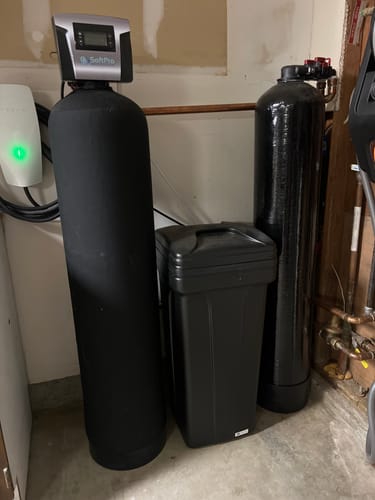
Testing began immediately after installation using both included test strips and more precise digital meters I purchased separately. Baseline measurements before filtration showed 2.8 PPM total chlorine, 0.7 PPM fluoride, 180 PPM total dissolved solids, and a pH of 7.4. The chloroform level, measured with a laboratory test kit, registered 12 parts per billion.
Twenty-four hours post-installation, the transformation was remarkable. Total chlorine dropped to undetectable levels – below 0.1 PPM on my digital meter. The chlorine odor that had plagued our bathrooms completely Fluoride Filtration disappeared, and water taste improved dramatically. My wife noticed the difference immediately during her morning shower, commenting that her skin felt less tight and irritated.
Fluoride removal exceeded my expectations. Testing after one week showed fluoride levels reduced from 0.7 PPM to 0.2 PPM – a 71% reduction that falls within the system's specifications. While not complete fluoride elimination, this reduction brought our water well below the 0.5 PPM level that some health advocates consider optimal for adult consumption.
The catalytic carbon's performance against chloramines proved impressive during Denver's seasonal treatment changes. When the city switched to chloramine disinfection in October, I monitored the system's continued effectiveness. Unlike standard carbon filters that struggle with chloramines, the catalytic media maintained consistent removal, keeping our water odor-free even during peak treatment periods.
Flow rate performance met specifications under all tested conditions. During peak morning usage – simultaneous shower, dishwasher, and washing machine operation – household pressure remained at 65 PSI compared to our baseline 68 PSI. The minimal pressure drop ensured normal appliance operation and comfortable shower pressure for all family members.
Contaminant testing expanded over several months to include heavy metals, pharmaceutical traces, and disinfection byproducts. Lead levels dropped from 3 PPB to undetectable. Chloroform, the primary disinfection byproduct in our supply, reduced by 89%. While the system isn't specifically designed for pharmaceutical removal, testing showed modest reductions in common medications like ibuprofen and estrogen compounds.
Seasonal performance variations provided insight into long-term reliability. During winter months when municipal treatment intensifies, the system maintained consistent performance without requiring adjustments. Summer periods with higher organic content in source water showed no degradation in chlorine removal, though fluoride removal efficiency decreased slightly to 65% after six months of use.
Real-World Daily Living Transformation
The most immediate change appeared in our daily shower experience. Within three days, my wife's skin irritation subsided noticeably. The persistent itchiness and dryness that had developed over months gradually disappeared, eliminating her need for specialized sensitive-skin products. Our teenage daughter, who'd been struggling with what we thought was hormonal acne, saw significant improvement as chlorinated water no longer aggravated her sensitive skin.
Household appliances responded positively to improved water quality. Our dishwasher, which had been leaving spots and film on glassware despite rinse aid usage, began producing spotless results. The coffee maker, previously requiring weekly descaling, now operates months between cleanings. Our ice maker produces clearer, better-tasting ice that doesn't carry the chlorine taste that had made homemade drinks less enjoyable than restaurant versions.
Laundry improvements surprised me with their significance. Clothes feel softer and retain colors better without the chlorine bleaching effect. White garments stay whiter longer, and delicate fabrics show less wear. We've reduced fabric softener usage by half while achieving superior results, creating unexpected ongoing savings in laundry products.
Cooking and food preparation benefits extend beyond obvious applications like drinking water and coffee. Pasta and rice taste noticeably better when cooked in filtered water. Bread making, my weekend hobby, improved dramatically – chlorine had been interfering with yeast activity without my realizing it. Homemade stocks and soups develop cleaner, more concentrated flavors without chemical undertones.
Unexpected health improvements emerged gradually. My chronic morning sinus congestion, which I'd attributed to allergies, diminished significantly. Research revealed that chlorine vapors from hot showers can irritate respiratory systems, and eliminating this exposure improved my morning comfort substantially. Sleep quality improved as well, possibly related to reduced chemical exposure throughout daily routines.
Guests consistently comment on our water quality without prompting. Friends filling water bottles for gym visits prefer our tap water to their bottled alternatives. Dinner party guests frequently ask about our "secret" for superior coffee and tea. These unsolicited endorsements validate the investment beyond our family's direct experience.
Environmental impact awareness increased as we eliminated bottled water purchases entirely. Our monthly plastic bottle consumption dropped from approximately 120 bottles to zero. The reduced waste feels significant environmentally while eliminating the inconvenience of purchasing, storing, and disposing of plastic containers.
Ongoing Costs and Long-Term Value Analysis
Media replacement represents the primary ongoing expense, required approximately every 3-5 years depending on usage and water conditions. Based on our consumption patterns, I expect the first media change around the four-year mark. Replacement bone char costs $180, catalytic carbon runs $140, for a total media expense of $320 every four years, or roughly $80 annually.
Electricity consumption for the control valve averages 8-10 kWh monthly, adding approximately $1.20 to our electric bill. The backwash cycles consume about 45 gallons per regeneration, occurring every 8-10 days based on our usage. At Denver's water rates, this adds roughly $2.50 monthly to our water bill.
Total monthly operating costs approximate $9.50 – dramatically less than our previous $80 monthly bottled water expense. The system pays for itself in eliminated bottled water costs alone within 18 months, not accounting for additional savings in skin care products, appliance maintenance, and laundry supplies.
Maintenance requirements remain minimal beyond periodic system monitoring. Monthly tasks include checking bypass valve operation and noting regeneration frequency. Semi-annual tasks involve testing output water quality and cleaning the control valve screen. Annual maintenance includes checking plumbing connections and verifying proper programming settings.
Hidden cost savings continue emerging over time. Our water heater operates more efficiently without chlorine corrosion, potentially extending its lifespan. Plumbing fixtures show less mineral buildup and corrosion. Garden plants respond better to filtered water for sensitive species, reducing plant replacement costs.
Comparative analysis against alternatives reinforces the value proposition. Whole-house reverse osmosis systems cost 40-60% more initially with higher maintenance requirements and water waste. Individual point-of-use filters throughout the house would cost more collectively while providing inconsistent protection. Professional water delivery services would cost $150 monthly for equivalent quality and convenience.
The investment appreciation becomes clear when considering avoided costs. Bottled water prices continue rising, making our savings compound over time. Health care savings from reduced skin irritation and respiratory issues, while difficult to quantify precisely, represent additional value. Improved appliance longevity and reduced maintenance create ongoing financial benefits.
Honest Assessment: Limitations and Considerations
Despite overall satisfaction, several limitations deserve honest acknowledgment. The system requires adequate space for installation and maintenance access – a consideration for homes with cramped utility areas. The upflow design necessitates proper drainage for backwash cycles, potentially complicating installation in certain locations.
Media replacement, while infrequent, represents a significant expense requiring planning and basic technical skills. The bone char media's animal-derived nature concerns some users, though plant-based alternatives exist with reduced fluoride removal efficiency. Vegetarian and vegan households might prefer alternative fluoride removal methods despite performance trade-offs.
The control valve programming, while comprehensive, can overwhelm users preferring simple operation. Default settings work adequately, but optimizing performance requires understanding water chemistry principles and system mechanics. Less technically inclined users might benefit from professional setup and periodic service.
Backwash water disposal creates minor environmental considerations. While the discharged water isn't harmful, it contains concentrated removed contaminants and should ideally drain to sewers rather than septic systems or landscaping. Homes with limited drainage options might require additional plumbing modifications.
Initial water quality determines system value significantly. Homes with already excellent municipal water might not experience dramatic improvements justifying the investment. Areas with primarily bacterial contamination need different solutions, as this system focuses on chemical contaminants rather than biological threats.
The learning curve extends beyond installation through the first several months of ownership. Understanding regeneration patterns, recognizing performance changes, and troubleshooting minor issues requires patience and willingness to engage with the technology rather than expecting completely hands-off operation.
Final Verdict and Wholehearted Recommendation
After eight months of daily use, the SoftPro Fluoride & Chlorine SUPER Filter has exceeded my expectations in virtually every measurable category. The transformation from chemically-treated municipal water to clean, odorless, great-tasting water throughout our home represents one of our best household investments in recent years.
The combination of catalytic carbon and bone char media addresses the specific contaminant profile common to most municipal water supplies. Unlike single-technology solutions that excel in narrow applications, this system provides comprehensive chemical contaminant removal while maintaining practical flow rates and reasonable maintenance requirements.
For families concerned about chlorine, fluoride, and disinfection byproducts in their water supply, this system offers exceptional value. The upfront investment pays for itself through eliminated bottled water costs while providing additional benefits in appliance longevity, improved cooking results, and enhanced daily comfort.
I would enthusiastically recommend this system to homeowners with municipal water containing moderate to high chlorine levels, any fluoride content, or those experiencing skin and hair issues potentially related to water quality. Families spending significant money on bottled water or experiencing appliance problems from chemical corrosion will find compelling financial justification.
The ideal candidate owns their home, has adequate utility space, and appreciates understanding how their household systems operate. DIY-comfortable homeowners will enjoy the installation process and ongoing system management. Those preferring professional installation should factor additional costs but will still achieve excellent long-term value.
Looking back, I wish I'd invested in this system years earlier. The cumulative benefits – improved health comfort, superior taste, appliance protection, and environmental impact reduction – justify the investment many times over. Our household water quality now exceeds most bottled water standards while providing unlimited quantities at a fraction of ongoing costs.
Worth every penny, works well – an understatement that barely captures this system's transformative impact on our daily lives.