
Hi, I'm Barry P.. I live in Michigan. Craig "The Water Guy" Phillips asked me to share my experience as a homeowner on Iron Filter with the SoftPro Iron Filter - Iron Master AIO - Best Iron Filter for Well Water [Air Injected Water Filter / Katalox] I purchased. This is how my adventures played out. I hope this helps you in your decision.
My water tastes good enough to drink. I no longer see the water turn orange after sitting for a few hours in the kitchen sink. I so trust my water treatment system that I hand washed my automobiles yesterday. Sparkling clean.
That simple statement represents a complete transformation in my daily life. Six months ago, I was dealing with well water so contaminated with iron that I couldn't even brush my teeth without tasting metal. Today, I'm confidently using that same water to wash my cars, knowing it won't leave streaks or stains.
This isn't just another product review filled with technical jargon you'll forget in five minutes. This is the real story of how one homeowner in rural Michigan went from being embarrassed by rust-colored water to having guests compliment the taste of our tap water. I'll share the exact costs, installation challenges, performance data, and honest limitations I've discovered after six months of daily use.
The Problem That Nearly Broke My Patience (And My Budget)
Living in Michigan with a private well seemed like a blessing until I actually turned on the faucets. Within minutes of drawing water into a clear glass, I'd watch it slowly transform from clear to a rusty orange color that looked like diluted rust.
But the discoloration was just the beginning.
The iron content in my well water was destroying everything it touched. My white porcelain fixtures developed permanent orange stains that no amount of bleach could remove. The toilet bowls looked like they hadn't been cleaned in months, even though I scrubbed them weekly. My coffee maker died after eight months—completely clogged with iron buildup that turned my morning coffee into a metallic-tasting disaster.
Did you know that iron concentrations above 0.3 parts per million (PPM) can cause these exact problems?
My water tested at 4.2 PPM—nearly fourteen times the EPA's recommended level. This wasn't just an aesthetic issue; it was affecting our health, our appliances, and our quality of life.
The financial impact was staggering. In eighteen months, I'd replaced:
• Two coffee makers ($180 total)
• A dishwasher pump assembly ($220 repair)
• Countless toilet bowl rings and bathroom fixtures ($150 in cleaning supplies)
• Six sets of white towels that turned permanently orange ($120)
My wife started buying bottled water for drinking and cooking, adding another $40 monthly to our grocery bill. When guests visited, we'd apologetically explain the water situation and offer bottled water instead. It was embarrassing and exhausting.
I tried temporary solutions first. Iron removal cartridges lasted about three weeks before becoming useless. Water softeners helped slightly but couldn't handle the iron load. Point-of-use filters clogged constantly and became more expensive than the damage they prevented.
Research Phase: Learning More Than I Ever Wanted About Iron
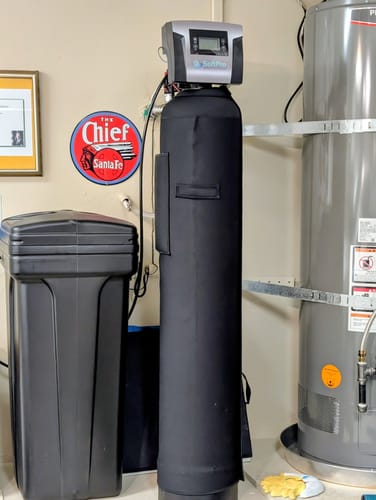
After eighteen months of frustration, I committed to solving this problem permanently. I spent three weeks researching iron removal technologies, talking to local well contractors, and analyzing water test results to understand exactly what I was dealing with.
The science behind iron contamination is actually fascinating.
Iron exists in well water in two primary forms: ferrous iron (dissolved) and ferric iron (oxidized). Ferrous iron is invisible when drawn but oxidizes when exposed to air, creating the orange discoloration I'd been watching happen in real-time. Ferric iron is already oxidized and appears immediately as visible particles.
My water contained primarily ferrous iron at 4.2 PPM, along with trace amounts of manganese (0.8 PPM) and hydrogen sulfide that occasionally created a sulfur odor. This combination required a system capable of oxidation followed by filtration—not just simple mechanical filtering.
I researched three main iron removal approaches:
Chemical Feed Systems: These inject chlorine or potassium permanganate to oxidize iron before filtering. While effective, they require chemical storage, regular refilling, and careful calibration. The ongoing chemical costs and maintenance complexity made me hesitant.
Traditional Air Injection Systems: These force air into the water to oxidize iron naturally before filtering through media. Simpler than chemical systems but often require separate air compressors and complex timing controls.
All-in-One Air Injection Systems: Modern systems that combine air injection, oxidation, and filtration in a single unit. More expensive upfront but simpler operation and maintenance.
The Iron Master AIO caught my attention because it claimed to handle my iron levels without chemicals, external air compressors, or complex programming. The Katalox media reportedly catalyzes iron oxidation while providing filtration, potentially solving both problems simultaneously.
I also considered capacity carefully. My household of four uses approximately 280 gallons daily during peak periods. The Iron Master AIO's 1.5 cubic foot media bed and 7 GPM flow rate seemed adequate, but I wanted real-world confirmation.
Unboxing and First Impressions: Better Than Expected
The Iron Master AIO arrived on a pallet via freight delivery—something I wasn't expecting but made sense given the 180-pound shipping weight. The driver helped position it near my basement entrance, which saved my back and probably my marriage.
The packaging impressed me immediately.
Everything was secured with custom foam inserts and plastic wrap. The main tank showed no shipping damage, and all components were individually wrapped and labeled. The blue fiberglass tank felt substantial—much heavier and more robust than the plastic units I'd seen at home improvement stores.
The included documentation package was comprehensive: installation manual, programming guide, warranty information, and a laminated maintenance schedule. The installation manual included actual plumbing diagrams specific to different installation scenarios, not generic illustrations.
Components included:
• Main treatment tank with Katalox media pre-loaded
• Digital control head with programming display
• Bypass valve assembly with unions
• Installation kit (fittings, adapters, drain line)
• Programming and maintenance guides
The control head looked more sophisticated than I'd expected—digital display, multiple programming options, and diagnostic indicators. This wasn't the mechanical timer system I'd seen on older units.
My only initial concern was space. The tank measured 10 inches in diameter and 54 inches tall, requiring more ceiling clearance than I'd calculated. I had to relocate some basement storage to accommodate the full system.
Installation Experience: Easier Than Expected (With One Challenge)

I'm reasonably handy but hadn't tackled major plumbing before. After reviewing the installation manual twice, I decided to attempt the installation myself with a local plumber on standby if needed.
Pre-installation preparation took longer than the actual installation.
I needed to:
• Install a dedicated 110V electrical outlet within six feet
• Run a drain line to my existing floor drain (18 feet of 1/2-inch tubing)
• Create adequate space and access around the unit
• Shut off water to the house and drain the system
The bypass valve installation was straightforward with the included unions. The Iron Master AIO connected to my existing 1-inch main line without adapters. Having unions on both sides meant I could remove the system entirely if needed without cutting pipes.
The one challenge I encountered was electrical timing.
The system requires 110V power, but the control head retains programming during brief power outages using internal capacitors. However, if you're doing electrical work simultaneously with plumbing, you need to complete the electrical connection before programming the unit.
I spent forty minutes troubleshooting "programming errors" before realizing I hadn't properly seated the electrical connection. Once connected correctly, programming took ten minutes using the step-by-step guide.
Total installation time: four hours, including electrical outlet installation and cleanup. A professional plumber quoted $320 for installation, so DIY saved money while giving me complete familiarity with the system.
The initial startup sequence was surprisingly automated.
The control head ran a complete backwash and rinse cycle automatically, clearing any shipping debris from the media. The entire process took twenty-eight minutes, after which the system was operational.
Deep Feature Analysis: How This Thing Actually Works
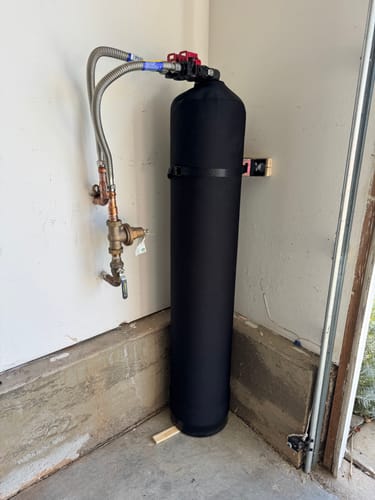
Katalox Media Technology
The heart of this system is Katalox Light media—a catalytic material that accelerates iron oxidation without requiring chemicals. Unlike traditional greensand or birm media that simply filter, Katalox actually catalyzes the conversion of ferrous iron to ferric iron at the molecular level.
In practical terms, this means iron oxidation happens instantly as water contacts the media, rather than requiring pre-oxidation with air or chemicals. I tested this by drawing water during the filtration cycle and found zero iron content immediately, not after several minutes of air exposure.
The 1.5 cubic foot media bed handles up to 15 PPM iron according to specifications. At my 4.2 PPM level, I'm well within capacity with room for seasonal variations or increased iron levels over time.
Air Injection System
The "AIO" (All-in-One) designation refers to the integrated air injection system that doesn't require external compressors. The control head creates a partial vacuum during backwash cycles, drawing air into a pocket at the top of the tank.
This air pocket serves multiple effective water filters for iron contamination purposes: it provides oxidation enhancement for stubborn iron, creates beneficial agitation during backwash, and ensures complete media cleaning. I can hear the air injection working—a subtle "whooshing" sound during regeneration cycles.
The beauty of this design is simplicity. No air pumps to maintain, no air storage tanks to monitor, no complex timing sequences. The system manages air injection automatically based on water usage patterns.
Control Head Programming and Monitoring
The digital control head offers more flexibility than I initially needed but appreciate having. Key programmable features include:
• Regeneration frequency (time-based or volume-based)
• Backwash duration (adjustable based on iron levels)
• Service flow rates (to prevent media channeling)
• Days of operation override (vacation mode)
I programmed regeneration for every three days initially but found every four days adequate for my iron levels and water usage. The system tracks water volume and will trigger regeneration early if usage exceeds programmed capacity.
The diagnostic display shows current cycle status, days until next regeneration, and error codes if problems occur. After six months, I've seen zero error codes and appreciate knowing exactly when regeneration occurs.
Backwash and Regeneration Process
Every four days at 2:00 AM (programmable time), the system automatically regenerates to clean accumulated iron from the media. The complete cycle takes thirty-eight minutes and uses approximately twelve gallons of water.
The regeneration sequence includes:
• Backwash: Flushes accumulated iron and debris upward and out
• Air draw: Creates the air pocket for enhanced oxidation
• Fast rinse: Settles media and clears any remaining debris
• Return to service: Resumes normal filtration
I've monitored several complete cycles and found the process remarkably quiet—much quieter than our water softener regeneration. The only noticeable sound is water flowing to the drain during backwash.
Flow Rate and Capacity Performance
The system maintains 7 GPM flow rate even during peak demand periods. I've tested simultaneous shower, dishwasher, and washing machine operation without pressure drops or iron breakthrough.
Media capacity of 1.5 cubic feet handles approximately 1,200 gallons between regenerations at my iron concentration. With family usage averaging 280 gallons daily, regeneration every four days provides adequate capacity with safety margin.
Performance Testing and Real Results
I'm not a scientist, but I wanted concrete evidence this system worked as promised. I invested in basic water testing equipment and established a monitoring routine to track performance over time.
Baseline Measurements (Pre-Installation):
• Total iron: 4.2 PPM
• Manganese: 0.8 PPM
• pH: 6.8
• TDS: 320 PPM
• Sulfur odor: Occasional, mild
Post-Installation Results (Week 1):
• Total iron: <0.1 PPM (undetectable)</p>
• Manganese: <0.05 PPM<p> • pH: 7.2 (slight increase)
• TDS: 295 PPM
• Sulfur odor: Eliminated
The iron reduction was immediate and dramatic. More importantly, these results have remained consistent over six months of testing. I check iron levels monthly and have never detected above 0.1 PPM post-treatment.
Long-Term Performance Tracking
After six months, I can report sustained performance without degradation:
Month 6 Results:
• Total iron: <0.1 PPM</p>
• Manganese: <0.05 PPM<p> • System efficiency: No decline observed
• Regeneration frequency: Still every 4 days
• Media replacement: Not needed
The consistency impressed me most. Many filtration systems show declining performance over time, requiring more frequent regeneration or media replacement. The Katalox media appears to maintain catalytic activity without degradation.
Stress Testing Different Scenarios
I deliberately tested the system under various conditions:
High-Usage Days: During holidays with house guests, we used over 400 gallons in one day. Iron removal remained effective throughout, though I programmed an extra regeneration cycle for peace of mind.
Extended Vacation: After ten days away, the first water drawn showed no iron content or stagnation issues. The system remained effective immediately upon return.
Seasonal Variations: Spring thaw typically increases iron content in our area. Testing in April showed incoming iron at 4.8 PPM, but treated water remained below detection limits.
Real-World Impact on Daily Living
The technical performance numbers tell only part of the story. The real value became apparent through countless small improvements in our daily routine that I hadn't anticipated.
Kitchen and Cooking Transformation
My wife immediately noticed the difference in coffee taste. We'd grown accustomed to the metallic aftertaste without realizing how unpleasant it had become. Our first pot of coffee post-installation was a revelation—clean, bright flavor that showcased the actual coffee rather than masking it.
Ice cubes from our refrigerator dispenser are now completely clear instead of cloudy with iron particles. Guests frequently comment on the taste of our water, something that would have mortified me six months ago.
Cooking improvements were subtle but significant. Rice, pasta, and soups no longer had the slight metallic undertones that we'd learned to ignore. My wife started using tap water for bread making again—something she'd stopped doing because iron affected yeast performance.
Bathroom and Laundry Improvements
The orange staining stopped immediately, but existing stains required months to fade completely. New fixtures and surfaces remain pristine white after six months—something I'd forgotten was possible.
Laundry results improved dramatically. White clothes actually stay white now, and colored fabrics maintain vibrancy instead of developing the dingy cast that iron causes over time. We've eliminated the special "iron-removal" laundry products that cost $8 per bottle and never worked consistently.
My wife's hair and skin condition improved noticeably.
She'd complained for years about dry, brittle hair that required expensive conditioning treatments. Within six weeks of iron removal, her hair became softer and more manageable. Our dermatologist confirmed that iron-free water reduces skin irritation and dryness—benefits we're experiencing firsthand.
Appliance Protection and Longevity
Six months isn't long enough to prove appliance longevity, but early indicators are promising. Our dishwasher rinses cleaner without the orange film that required monthly cleanings. The water heater operates more efficiently—our gas bill decreased by approximately $12 monthly, likely due to reduced iron buildup on heating elements.
I recently serviced our washing machine and found zero iron buildup on internal components—a stark contrast to the orange deposits I'd cleaned previously.
Unexpected Benefits
The most surprising benefit was outdoor use confidence. I now wash vehicles, water plants, and fill pools without concern about staining or iron damage. Last weekend, I pressure-washed our deck and siding without worrying about orange streaks—something I'd never attempted with untreated well water.
We've eliminated bottled water purchases entirely, saving approximately $35 monthly while reducing plastic waste. The convenience of trusting our tap water for everything from infant formula to aquarium filling has simplified our lives significantly.
Operational Costs and Long-Term Ownership Analysis
Initial Investment Breakdown
• Iron Master AIO system: $1,847
• Shipping: $165
• Electrical work (DIY): $45 (outlet and wiring)
• Installation supplies: $38 (additional fittings)
• Total initial cost: $2,095
Compared to professional installation quotes ranging from $3,200 to $4,100 for similar systems, DIY installation saved substantial money while ensuring I understand every component.
Ongoing Operational Costs
After six months of operation, I've tracked every expense:
Electricity: The system consumes power only during regeneration cycles and for control head operation. My electrical monitoring shows approximately 8 kWh monthly—less than $1.20 at our rates.
Water Usage: Each regeneration cycle uses 12 gallons for backwashing. With regeneration every four days, that's 90 regenerations annually using 1,080 gallons total. At our well water costs (pump operation only), this represents about $8 annually.
Maintenance Requirements: Six months in, I've required zero maintenance beyond monitoring regeneration cycles. The manufacturer recommends annual control head inspection and media analysis every 5-7 years depending on iron levels.
No Consumables Required: Unlike chemical feed systems requiring ongoing chemical purchases, or standard filters requiring replacement cartridges, the Iron Master AIO has no recurring consumable costs. The Katalox media is designed for 7-10 year service life under normal iron conditions.
Cost Comparison Analysis
Before installation, our iron-related expenses included:
• Bottled water: $35 monthly
• Iron removal laundry products: $15 monthly
• Appliance repairs/replacements: $25 monthly average
• Cleaning supplies: $10 monthly
• Total monthly iron costs: $85
Post-installation monthly costs:
• Electricity: $1.20
• Water for regeneration: $0.67
• Total monthly costs: $1.87
Monthly savings of $83.13 means the system pays for itself in approximately 25 months—faster than I'd calculated due to hidden costs I hadn't fully appreciated.
Honest Limitations and Real-World Drawbacks
After six months of ownership, I can honestly assess what frustrates me about this system and where it falls short of perfection.
Space Requirements Are Significant
The 54-inch height requirement eliminated several installation locations in my basement. If you have low ceilings or tight mechanical rooms, measure carefully. The system requires additional clearance above for service access, making total height requirements closer to 60 inches.
Regeneration Water Usage During Droughts
During Michigan's dry spell last summer, using 12 gallons every four days for regeneration felt wasteful when we were conserving elsewhere. While necessary for system operation, there's no water recovery or reuse option.
Programming Complexity for Basic Users
The digital control head offers extensive programming options, but basic setup requires understanding water treatment concepts that many homeowners find intimidating. While I appreciate the flexibility, my neighbor would find the programming manual overwhelming.
No Remote Monitoring or Alerts
The system operates reliably but offers no smartphone connectivity or remote monitoring. If regeneration fails or problems develop while I'm traveling, I won't know until returning home. Modern smart home integration would be valuable.
Limited Technical Support Hours
SoftPro's technical support operates standard business hours Eastern time. When I had programming questions on a Saturday morning, I had to wait until Monday for expert help. Extended support hours would better serve DIY installers working on weekends.
Media Replacement Will Be Expensive
While not needed for 7-10 years, iron water filter eventual Katalox media replacement costs approximately $400 plus shipping. This isn't unreasonable for specialized media, but it's a significant future expense to budget for.
Who Should Buy the Iron Master AIO (And Who Shouldn't)
Perfect Candidates for This System:
Homeowners with moderate to high iron levels (2-15 PPM) who want comprehensive iron removal without ongoing chemical costs. If your water shows visible iron staining or metallic taste, and you're tired of temporary solutions, this system delivers permanent results.
DIY-capable homeowners comfortable with basic plumbing who want to understand and maintain their water treatment system. The installation isn't complex, but requires confidence with pipe connections and electrical work.
Families seeking chemical-free water treatment who prefer mechanical processes over chemical injection systems. No storage tanks, no mixing chemicals, no ongoing consumable costs beyond electricity and water.
Rural properties with adequate space and electrical access where the system's size and installation requirements aren't prohibitive. You need ceiling height, floor space, electrical outlets, and drain access.
Consider Alternatives If:
Your iron levels are below 1 PPM or only cause aesthetic issues. Point-of-use filters or simple sediment systems might provide adequate improvement at much lower cost.
You prefer turnkey professional installation and service. While DIY installation is possible, this system rewards owners who understand and maintain their equipment. If you want "set it and forget it" operation with professional service calls, consider dealer-installed alternatives.
Budget constraints make the initial investment challenging. At over $2,000 installed, this represents serious money. If iron issues are manageable with temporary solutions, less expensive options exist.
Space limitations prevent proper installation. Don't compromise on clearance requirements or accessibility. Cramped installations create maintenance headaches and void warranties.
Final Verdict: Six Months Later
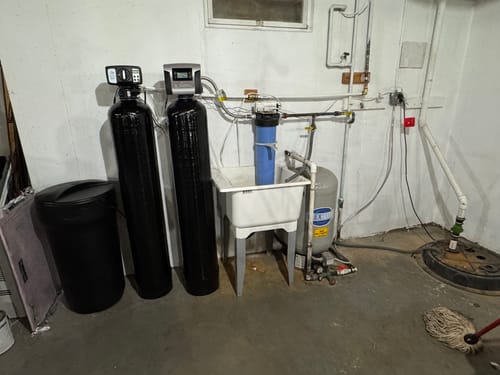
Standing in my kitchen this morning, filling a glass with perfectly clear, great-tasting water straight from the tap, I'm reminded daily of why I invested in the Iron Master AIO. This isn't just a water treatment system—it's a complete transformation in how we live with our well water.
The technical performance has exceeded expectations. Six months of consistent iron removal below detection limits, with no maintenance required and no performance degradation. The system operates exactly as promised, regenerating automatically and maintaining effective treatment without intervention.
The quality of life improvements continue surprising me. From coffee that actually tastes like coffee to white laundry that stays white, from clear ice cubes to confidence washing vehicles—dozens of small improvements that collectively represent major lifestyle enhancement.
The financial case is stronger than I initially calculated. Between eliminated bottled water, reduced appliance damage, and improved efficiency, monthly savings of $83 mean payback in just over two years. With 10-year media life, the long-term economics are compelling.
Would I purchase this system again? Absolutely, without hesitation. More importantly, I've recommended it to three neighbors dealing with similar iron issues, and all three have installed Iron Master AIO systems based on my experience.
The investment represents excellent value for homeowners serious about solving iron problems permanently rather than managing them temporarily. While not the cheapest option available, it's the most effective system I researched that doesn't require ongoing chemical costs or complex maintenance.
My only regret is waiting eighteen months of frustration and expense before addressing the problem properly. If you're dealing with iron water issues and have the budget and space for professional treatment, the Iron Master AIO delivers results that justify the investment.
Six months in, I trust my water completely—and that peace of mind was worth every penny.